Aging is a natural process that brings wisdom and experience, but it often comes with visible signs on our skin. Wrinkles, fine lines, and sagging skin can affect our confidence and self-esteem. Fortunately, advancements in skincare technology have introduced innovative solutions, one of which is red light therapy. This non-invasive treatment has gained popularity for its ability to rejuvenate aging skin. In this blog post, we will explore how red light therapy works, its benefits, and what you can expect from this treatment.
Understanding Red Light Therapy
Red light therapy (RLT), also known as photobiomodulation, uses specific wavelengths of red or near-infrared light to interact with cells in the skin. Red light commonly used in skincare devices is generally in the range of approximately 600–650 nanometers. The light may influence cellular processes that support normal skin function and repair.
How Does Red Light Therapy Work?
When certain wavelengths of red light are absorbed by cells, they may interact with cellular components, including the mitochondria, which play an important role in energy production. This process may support cellular activity and the production of proteins such as collagen, which helps maintain skin firmness and structure.
Collagen is an important structural protein that helps keep the skin firm, while elastin contributes to the skin’s ability to stretch and return to its original shape. As we age, the natural production of these proteins decreases, contributing to changes such as fine lines, wrinkles, and loss of firmness.
The Science Behind Red Light Therapy
Research has investigated red light therapy for a range of skin-related applications, including skin rejuvenation, wound healing, and inflammation. Some clinical studies have reported improvements in the appearance of fine lines, wrinkles, and overall skin texture following repeated treatments.
However, results can vary depending on the device, wavelength, treatment intensity, frequency of use, and individual skin characteristics. More research is still being conducted to better understand the long-term effects and ideal treatment protocols.
Benefits of Red Light Therapy for Aging Skin
Red light therapy has become increasingly popular among people looking to support healthier and more youthful-looking skin. Some of the potential benefits include:
1. Reduces the Appearance of Fine Lines and Wrinkles
One of the most widely studied cosmetic applications of red light therapy is improving the appearance of fine lines and wrinkles. By supporting collagen-related processes and overall skin health, RLT may help skin appear smoother and firmer over time.
2. Improves Skin Tone and Texture
Regular use of red light therapy may help improve the overall appearance of skin texture and tone. By supporting cellular activity and healthy skin function, RLT may contribute to smoother-looking skin and a more even complexion.
3. Supports Skin Elasticity
As we age, changes in collagen and elastin can contribute to a gradual loss of skin firmness and elasticity. Red light therapy may support processes involved in collagen production, which can help improve the appearance and firmness of the skin over time.
4. Helps Calm Inflammation and Redness
Red light therapy may have anti-inflammatory effects that can help support calmer-looking skin. It has been studied for various inflammatory skin concerns, although its effectiveness can vary depending on the specific condition and individual.
5. Supports the Skin’s Natural Healing Process
In addition to cosmetic applications, red light therapy has been studied for its potential role in supporting tissue repair and wound healing. It may help support the body’s natural recovery processes following certain types of skin injury or irritation.
What to Expect During a Red Light Therapy Session
If you’re considering red light therapy, understanding what typically happens during a session can help you feel more prepared. The exact process depends on the device and treatment provider.
Consultation
Before beginning professional treatment, you may have a consultation with a skincare professional or healthcare provider. They can discuss your goals, review your skin concerns, and determine whether red light therapy is appropriate for you.
The Treatment Process
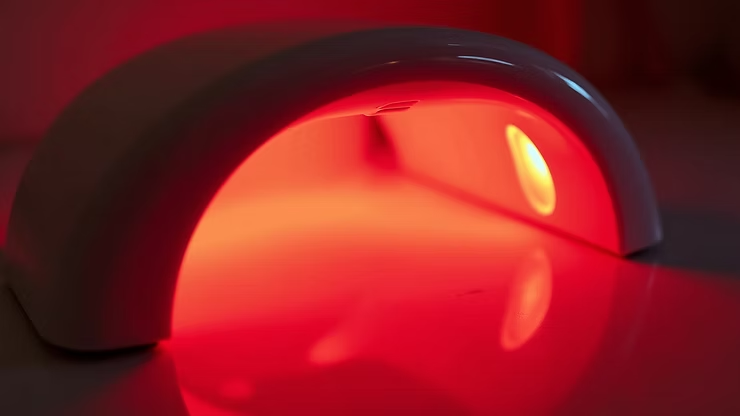
During a session, you will usually sit or stand in front of a red light therapy device, or wear a specialized light therapy mask. Treatment times vary depending on the device and its specifications, but sessions commonly last around 10–20 minutes. Follow the manufacturer’s or provider’s instructions regarding treatment distance and eye protection.
Frequency of Sessions
The recommended treatment schedule varies depending on the device and the specific goal of treatment. Some devices are designed to be used several times per week, while professional treatment plans may follow a different schedule. Always follow the recommended protocol rather than assuming that more frequent treatments will produce better results.
Safety and Side Effects
Red light therapy is generally considered non-invasive and is well tolerated by many people when used correctly. Unlike procedures that damage or remove the outer layers of skin, RLT typically does not require significant downtime.
Some people may experience temporary redness, warmth, irritation, or sensitivity after treatment. These effects are usually mild, but you should stop using the device and seek professional advice if you experience significant or persistent discomfort.
Precautions
If you have a specific skin condition, take medication that can increase sensitivity to light, or have other medical concerns, speak with a healthcare professional before starting red light therapy. If you are pregnant, discuss the use of RLT with your healthcare provider before treatment.
Eye protection is also important when recommended by the device manufacturer or treatment provider, particularly when using bright or high-intensity light devices near the face.
Combining Red Light Therapy with Other Treatments
Red light therapy may be used alongside other skincare treatments, but combining treatments should be done carefully. Depending on the treatment, using them too close together may increase irritation or sensitivity.
1. Chemical Peels
Chemical peels work by removing damaged outer layers of skin using specific exfoliating ingredients. Because peels can temporarily increase skin sensitivity, it is important to follow professional guidance when combining them with red light therapy.
2. Microneedling
Microneedling uses very small needles to create controlled micro-injuries in the skin, stimulating the body’s natural healing response. Some professionals incorporate red light therapy into post-treatment care, but the timing and suitability should be determined by the treatment provider.
3. Skincare Products
Red light therapy can be incorporated into a broader skincare routine. Hydrating and skin-supporting ingredients such as hyaluronic acid, peptides, and antioxidants may complement a regular skincare routine. Follow the instructions for each product and avoid applying anything that causes irritation before or after light therapy.
Real-Life Experiences With Red Light Therapy
People use red light therapy for different skincare goals, and individual experiences can vary. The following examples illustrate the types of improvements some users report, but they should not be considered guaranteed results.
Case Study 1: Sarah, 45
Sarah wanted to improve the appearance of fine lines and uneven skin tone. After incorporating red light therapy into her skincare routine for several weeks, she felt that her skin looked smoother and more radiant.
“I feel more confident in my skin.”
Case Study 2: Mark, 50
Mark was looking for a non-invasive approach to support the appearance of firmer skin. After consistently using red light therapy as part of his skincare routine, he reported that his skin looked smoother and more refreshed.
“I noticed a positive change in how my skin looks and feels.”
Conclusion
Red light therapy is a non-invasive technology that has gained attention for its potential role in supporting healthier, more youthful-looking skin. Research has explored its effects on areas such as fine lines, wrinkles, skin texture, inflammation, and the skin’s natural repair processes.
While red light therapy may offer benefits for some people, results can vary depending on the individual, device specifications, treatment schedule, and other factors. Choosing an appropriate device and following the recommended treatment instructions are important for safe and effective use.
If you’re considering red light therapy for a specific skin concern, consult a qualified skincare professional or healthcare provider to determine whether it is appropriate for your skin type and individual needs.
With realistic expectations and consistent use, red light therapy may be a useful addition to a broader skincare and wellness routine.