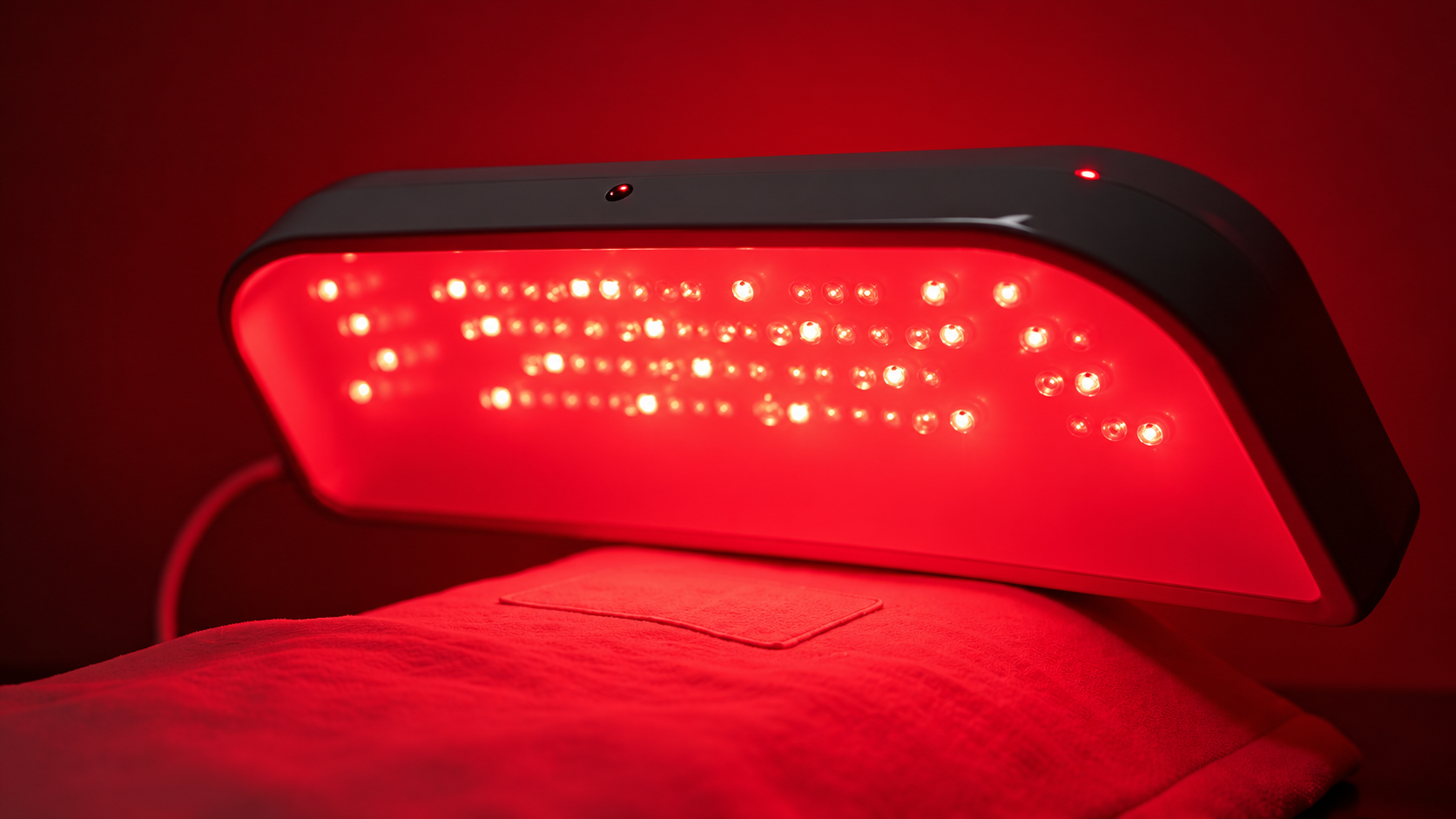
Red light therapy (RLT) has gained significant attention in recent years, particularly among women seeking natural solutions for various health and beauty concerns. From skin rejuvenation to pain relief, this non-invasive treatment harnesses the power of specific wavelengths of light to stimulate cellular processes. In this blog post, we will explore the science behind red light therapy, its benefits for women, and how it can be integrated into daily routines.
What Is Red Light Therapy?
Red light therapy (RLT), also known as photobiomodulation, is a non-invasive treatment that uses specific wavelengths of red and near-infrared light. Red light is commonly used in the range of approximately 600–650 nanometers, while near-infrared light is typically used around 800–850 nanometers.
These wavelengths can interact with cells and are thought to influence mitochondrial activity, which plays an important role in cellular energy production. This process may support normal cellular function, tissue repair, and recovery.
How Does Red Light Therapy Work?
Red light therapy works through a process known as photobiomodulation. When specific wavelengths of light are absorbed by cells, they may influence cellular processes and mitochondrial activity.
Research suggests that red light therapy may contribute to:
- Supporting ATP production: ATP provides energy that cells need for many essential functions.
- Supporting collagen production: This may help improve skin elasticity and the appearance of fine lines and wrinkles.
- Reducing inflammation and discomfort: Red and near-infrared light may help support the body’s natural recovery processes.
Benefits of Red Light Therapy for Women
Skin Health and Rejuvenation
One of the most popular uses of red light therapy is for supporting healthy-looking skin. Some research suggests that regular red light therapy may help improve the appearance and overall condition of the skin.
- Reduce the appearance of fine lines and wrinkles: Red light therapy may support collagen production, helping skin appear smoother and more firm.
- Improve skin tone and texture: Consistent use may help promote a more even-looking complexion and smoother skin.
- Support acne-prone skin: Red light may have anti-inflammatory effects that can help support the skin’s natural healing process.
Hair Growth and Hair Health
Red light therapy has also been studied as a potential option for people experiencing hair thinning or hair loss. Certain forms of low-level light therapy may stimulate hair follicles and support hair growth.
- Support healthier-looking and thicker hair.
- Improve the appearance of hair density over time.
- Support hair growth in some individuals experiencing androgenetic alopecia, also known as pattern hair loss.
Pain Relief and Recovery
Red and near-infrared light therapy is also being studied for its potential role in supporting recovery and managing temporary muscle and joint discomfort.
- Muscle recovery: RLT may help reduce muscle soreness and support recovery following physical activity.
- Joint comfort: Some studies suggest that photobiomodulation may help reduce discomfort associated with certain joint conditions.
- Recovery support: RLT may support circulation and the body’s natural recovery processes.
Hormonal Health and Women’s Wellness
Red light therapy is sometimes promoted for hormonal balance and women’s wellness. However, research in this area is still developing, and there is not yet enough evidence to conclude that red light therapy directly balances hormones.
Its potential effects on cellular energy, inflammation, and overall tissue health may make it an area of ongoing research, particularly for women experiencing physical changes during menstruation, perimenopause, or menopause.
How to Use Red Light Therapy
Choosing the Right Device
Red light therapy devices come in different shapes and sizes. The best option depends on the area you want to treat and your personal goals.
- Handheld devices: Useful for targeting smaller areas such as the face, scalp, or specific areas of the body.
- Full-body panels: Designed to provide light exposure over larger areas of the body.
- Red light therapy face masks: Designed specifically for facial skincare and convenient home use.
Recommended Treatment Protocol
Consistency is generally important when using red light therapy. Treatment schedules can vary depending on the device, wavelength, intensity, and manufacturer’s instructions.
- Frequency: Many devices are designed to be used several times per week.
- Duration: Sessions commonly last around 10–20 minutes, depending on the device.
- Distance: Always follow the manufacturer’s recommended distance between the device and your skin.
More light is not necessarily better. Follow the recommended treatment time and instructions provided with your specific device.
Safety and Considerations
Red light therapy is generally considered non-invasive and is well tolerated by many people when used correctly. However, it is important to use the device according to the manufacturer’s instructions.
- Speak with a healthcare professional: If you have an underlying medical condition, are taking medications that increase light sensitivity, or are pregnant, discuss red light therapy with your healthcare provider before using it.
- Avoid overuse: Using a device for longer or more frequently than recommended may cause temporary redness, irritation, or discomfort.
- Protect your eyes: Follow the device manufacturer’s guidance regarding eye protection, particularly when using high-intensity devices or treating areas close to the eyes.
- Follow device instructions: Different devices have different wavelengths, power levels, treatment distances, and recommended session times.
Real-Life Experiences With Red Light Therapy
Many people use red light therapy as part of their skincare, hair-care, fitness, and wellness routines. Individual results can vary depending on the person’s condition, treatment consistency, device specifications, and other factors.
Sarah, 34 – Skincare
Sarah incorporated a red light therapy device into her skincare routine after experiencing occasional breakouts. After several weeks of consistent use, she reported that her skin appeared calmer and smoother.
Emily, 42 – Hair Care
Emily began using red light therapy as part of her hair-care routine after noticing increased hair thinning. After several months, she reported seeing an improvement in the overall appearance and density of her hair.
Jessica, 29 – Workout Recovery
Jessica used red light therapy following intense workouts as part of her recovery routine. She reported experiencing less muscle soreness and feeling more comfortable during her subsequent training sessions.
Conclusion
Red light therapy is an emerging wellness technology that has been studied for a variety of applications, including skin health, hair growth, muscle recovery, and temporary pain relief.
While research continues to explore its potential benefits, results can vary from person to person. Choosing an appropriate device, following the recommended treatment schedule, and using the device correctly are important when incorporating red light therapy into your routine.
If you have a medical condition, are pregnant, or have concerns about whether red light therapy is appropriate for you, speak with a qualified healthcare professional before beginning treatment.
With consistent and appropriate use, red light therapy may become a useful addition to a personal skincare, hair-care, fitness, or wellness routine.